
Destinations in Belize
Belize is small enough to cross in a day but varied enough that no two regions feel alike. The cayes off the coast run on flip-flops and golf carts, the west is thick jungle and Maya ruins, the south moves to a Garifuna drumbeat, and the north is quiet sugar cane country most visitors skip entirely, often to their own loss. Below is a region-by-region look at where to go in Belize and what each one is actually like, with a deeper guide to each coming soon. As Caribbean Lifestyle grows beyond Belize, expect this same region-by-region approach applied across the wider Caribbean too.
Ambergris Caye & Caye Caulker
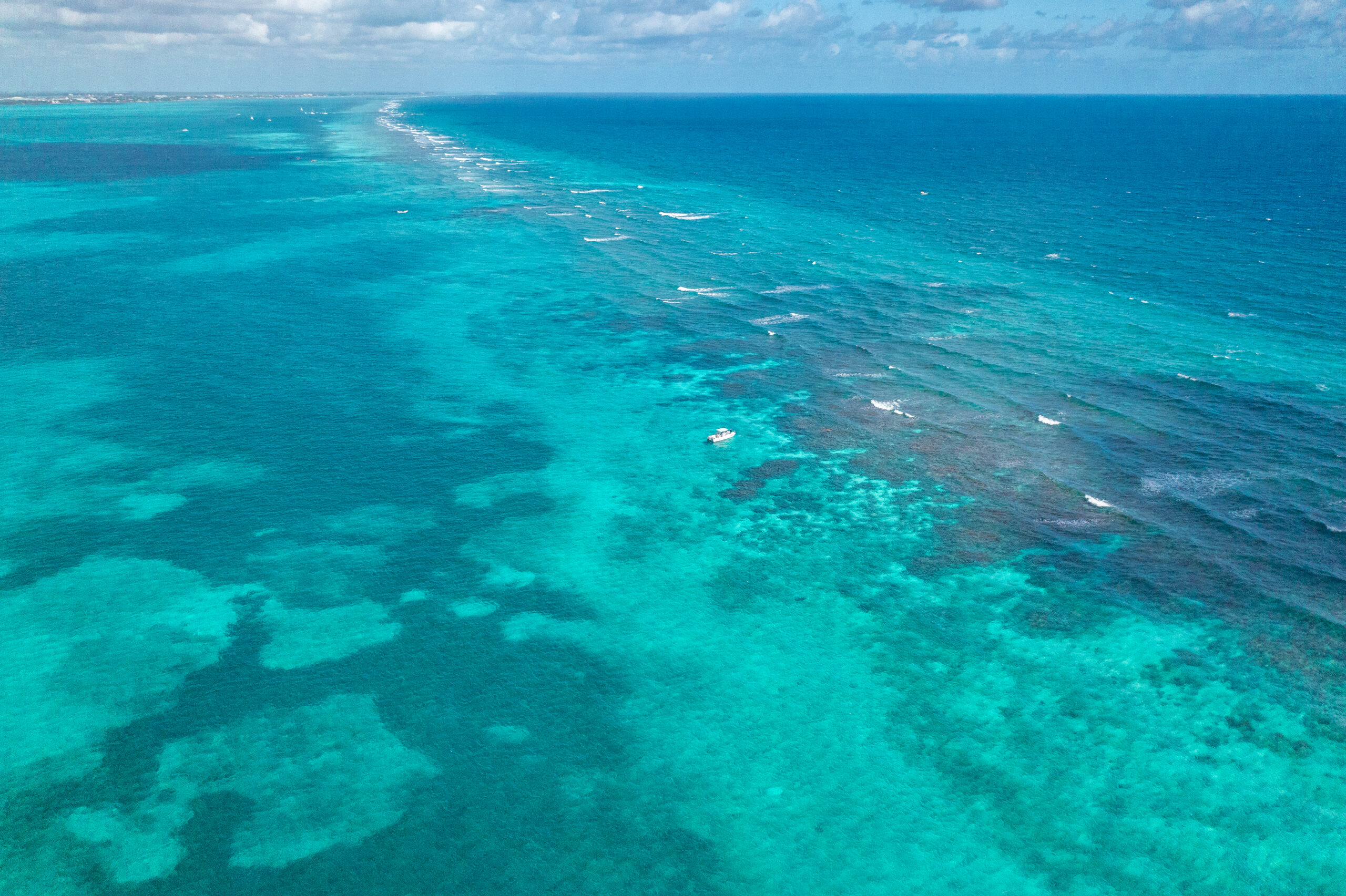
Belize’s two best-known islands sit a short boat ride apart and could not have more different personalities. Ambergris Caye, anchored by the town of San Pedro, is the country’s most developed tourist destination, with golf-cart traffic, a long run of restaurants and dive shops, and the easiest reef access in Belize. Caye Caulker, a few miles south, runs on its own unofficial motto, “go slow,†with sandy streets, no real cars, and a scrappier, backpacker-friendly energy.
- San Pedro town, the hub for dining, nightlife, and dive shops on Ambergris Caye
- Hol Chan Marine Reserve and Shark Ray Alley, both a short boat ride from either island
- The Split on Caye Caulker, a swimming spot and the island’s social center
- Golf cart rentals, the standard way to get around Ambergris Caye
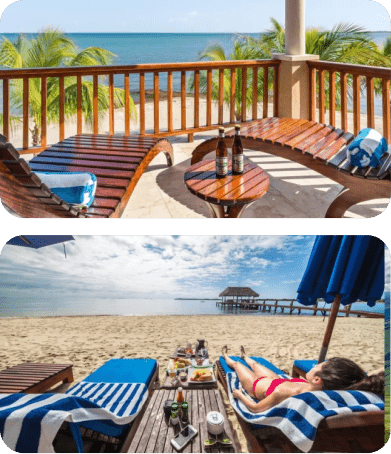
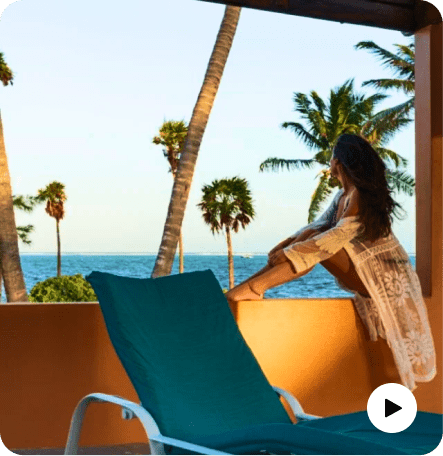
Belize is perfect for the go-slow type of vacation. You can sit on a beach and relax in the islands, or you can grab a book and sit in your private jungle escape where the only other thing you will hear are the birds chirping in the nearby tree limbs. Belize is home to many private islands that not only offer luxurious stays, but takes you away from the hustle and bustle of typical vacation life.
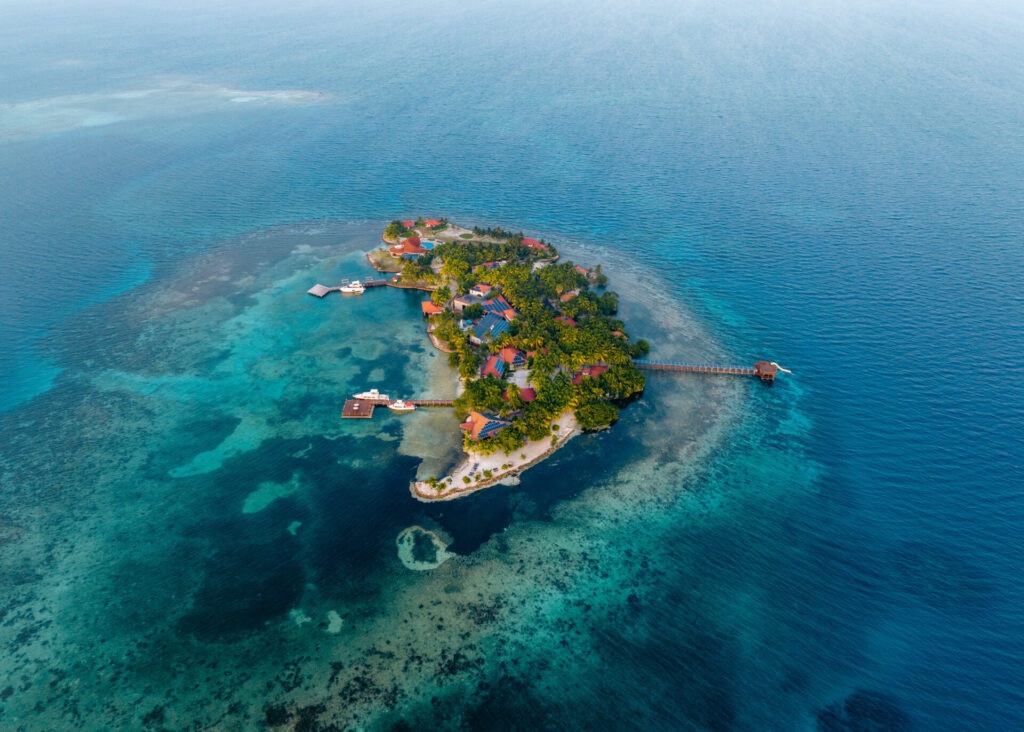
Offshore & Private Islands
Beyond Ambergris Caye and Caye Caulker, Belize’s barrier reef and its three coral atolls, Turneffe, Lighthouse Reef, and Glover’s Reef, hide a scattering of smaller cayes and private islands with little to no development around them. This is where Belize’s more exclusive and more rugged offshore experiences live, at opposite ends of the spectrum.
- The Great Blue Hole, inside Lighthouse Reef Atoll, Belize’s signature dive site
- Turneffe Atoll, known for wall diving and fly fishing lodges
- Glover’s Reef, a remote atoll popular with sea kayaking and live-aboard dive trips
- Small private cayes scattered along the reef, some developed, many not
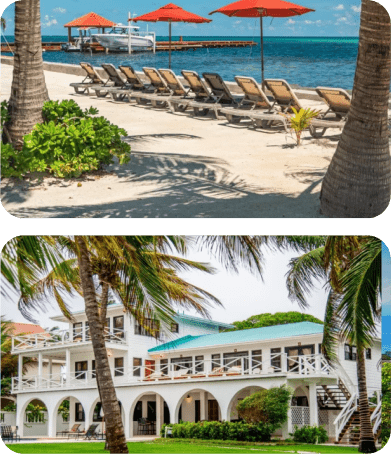
Ray Caye Island Resort occupies an entire private island off Placencia, while Moho Caye, also off Placencia, is a day-trip and primitive camping island rather than a resort, two very different ways to experience Belize’s offshore islands depending on whether you want full service or something more rustic.
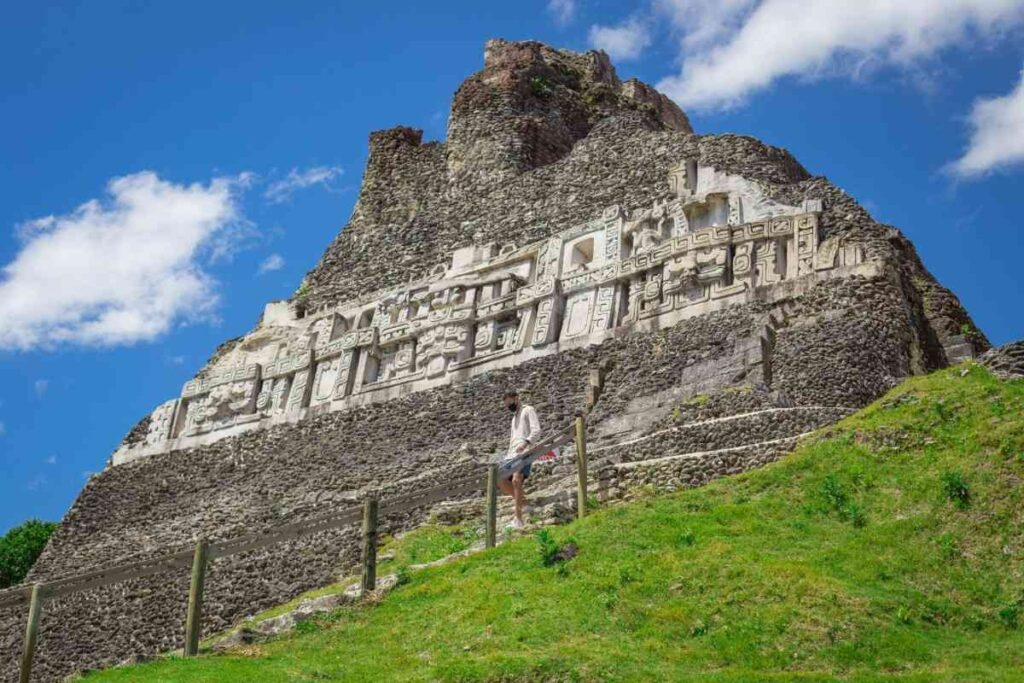
Cayo District is Belize’s jungle interior, and for a lot of visitors it is the other half of a two-part trip built around a few days on the reef followed by a few days inland. The town of San Ignacio is the base for almost everything in this region.
- San Ignacio, the region’s main town and base for jungle tours and river trips
- Xunantunich, reached by a small hand-cranked ferry, and Caracol, deeper in the Chiquibul Forest Reserve
- Actun Tunichil Muknal (ATM Cave) and cave tubing at Nohoch Che’en or Caves Branch
- Mountain Pine Ridge Forest Reserve, with waterfalls, granite swimming holes, and a highland pine forest unlike anywhere else in the country
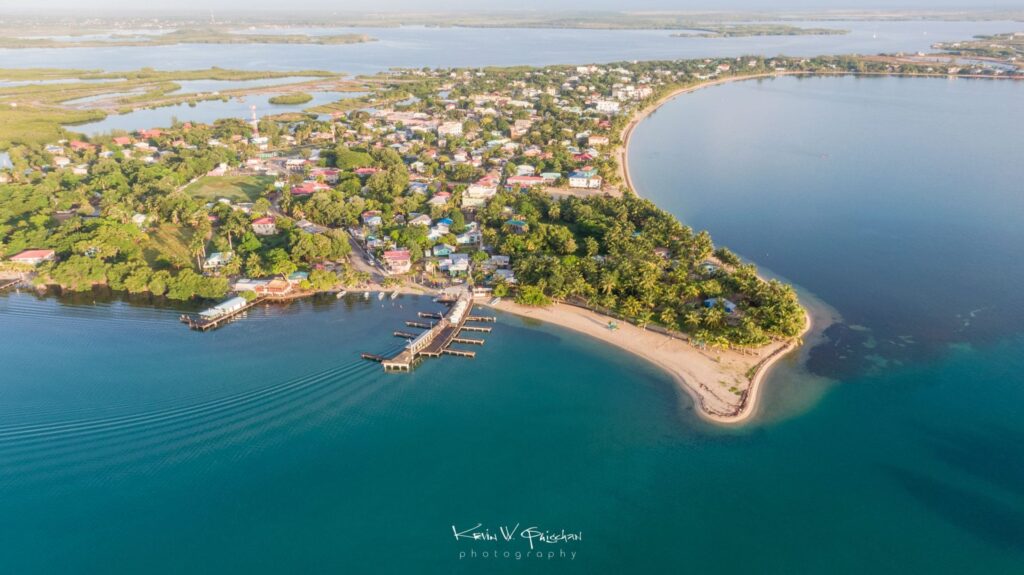
Southern Belize: Hopkins, Placencia, Punta Gorda & Dangriga
Southern Belize moves at its own pace and carries a distinct cultural identity, this is the heart of Belize’s Garifuna communities, alongside a growing beach town and the country’s southernmost, least-visited district.
- Placencia, a laid-back peninsula town with the best-developed beach and dining scene in the south, and the jumping-off point for offshore islands like Ray Caye and Moho Caye
- Hopkins, a small Garifuna village known for drumming and a quieter, more local beach scene than Placencia
- Dangriga, the cultural center of Garifuna Belize and home to Garifuna Settlement Day celebrations each November
- Punta Gorda, in Toledo District, the least-touristed part of Belize, with Maya villages, cacao farms, and some of the country’s most rewarding cultural tourism
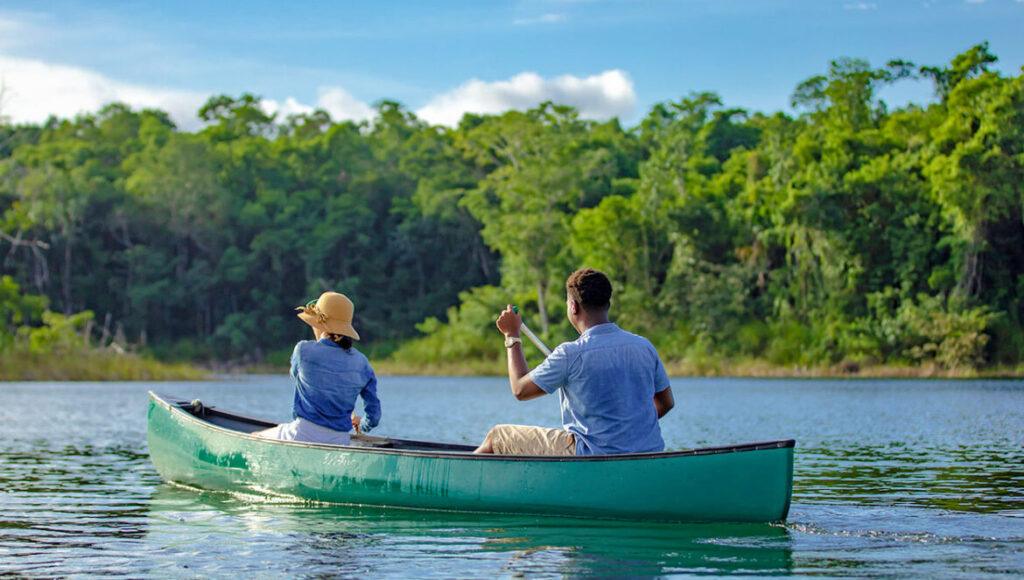
Northern Belize
Northern Belize, the Corozal and Orange Walk districts, is the part of the country most tourists fly over on the way to somewhere else, which is exactly why it rewards the ones who stop. This is Belize’s agricultural belt, sugar cane country, with a slower pace, lower prices, and a real mix of Mestizo, Mennonite, and Maya communities rather than a tourist-built economy.
- Lamanai, reached by a scenic boat trip up the New River, one of the most complete Maya sites in the country
- Corozal Town, a quiet, budget-friendly base near the Mexican border with a growing expat community
- Crooked Tree Wildlife Sanctuary, one of the best birdwatching areas in Belize
- Orange Walk Town, the commercial center of the north and the jumping-off point for Lamanai river tours
Chan Chich Lodge sits deep in the Orange Walk District, inside a private 30,000 acre reserve near Gallon Jug, making the north home to one of the most remote and highly regarded jungle lodges in the country, even though most visitors associate Belize’s jungle experiences with Cayo further south.
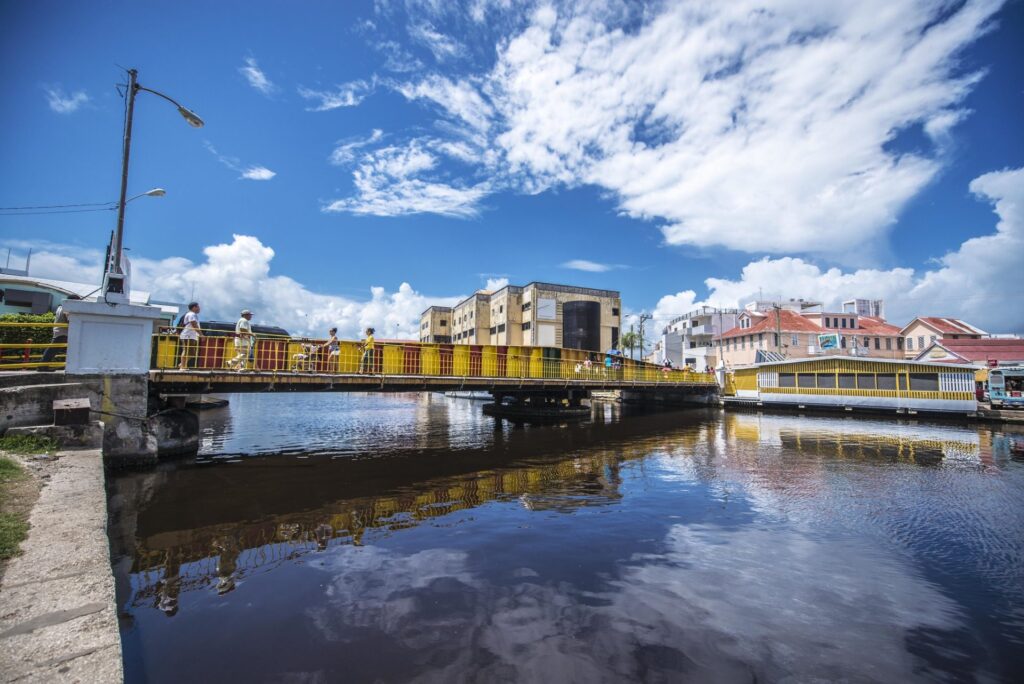
Belize City is the country’s largest city. It is Belize’s commercial and logistical heart, home to the international airport and main cruise port, and most of the country’s banking and business activity takes place here, but it is not really a beach or jungle destination in its own right. Most leisure travelers pass through rather than stay, connecting on to the cayes, Cayo, or the south the same day they land.
- The main gateway for international flights and the country’s busiest cruise port
- The Fort George area and the Swing Bridge, worth an hour or two if you have time between connections
- A common half-day cruise excursion base for trips to the Belize Zoo or Altun Ha ruins
- Belize’s center for business, banking, and government, more relevant to real estate and relocation than to a typical vacation
If you’re passing through, treat Belize City as a connection point rather than a destination. Most itineraries are better served spending the extra night on one of the cayes or in Cayo instead.