

Offshore and Marine Activities in Belize
Ask most travelers why they came to Belize, and the answer usually starts and ends with the water. This is a country built around a single extraordinary feature, a barrier reef so large and so alive that it shapes almost everything else the country has become known for. Whether you’re a certified diver chasing a bucket list dive site or someone who’s never put on a mask before, the offshore side of Belize has a way in.
The Belize Barrier Reef: A World Heritage System
The Belize Barrier Reef stretches roughly 190 miles along the coast, making it the second largest barrier reef system in the world, behind only Australia’s Great Barrier Reef. It forms the northern section of the larger Mesoamerican Barrier Reef System, which runs nearly 600 miles from Mexico’s Yucatan Peninsula down to Honduras, the longest reef system in the Western Hemisphere.
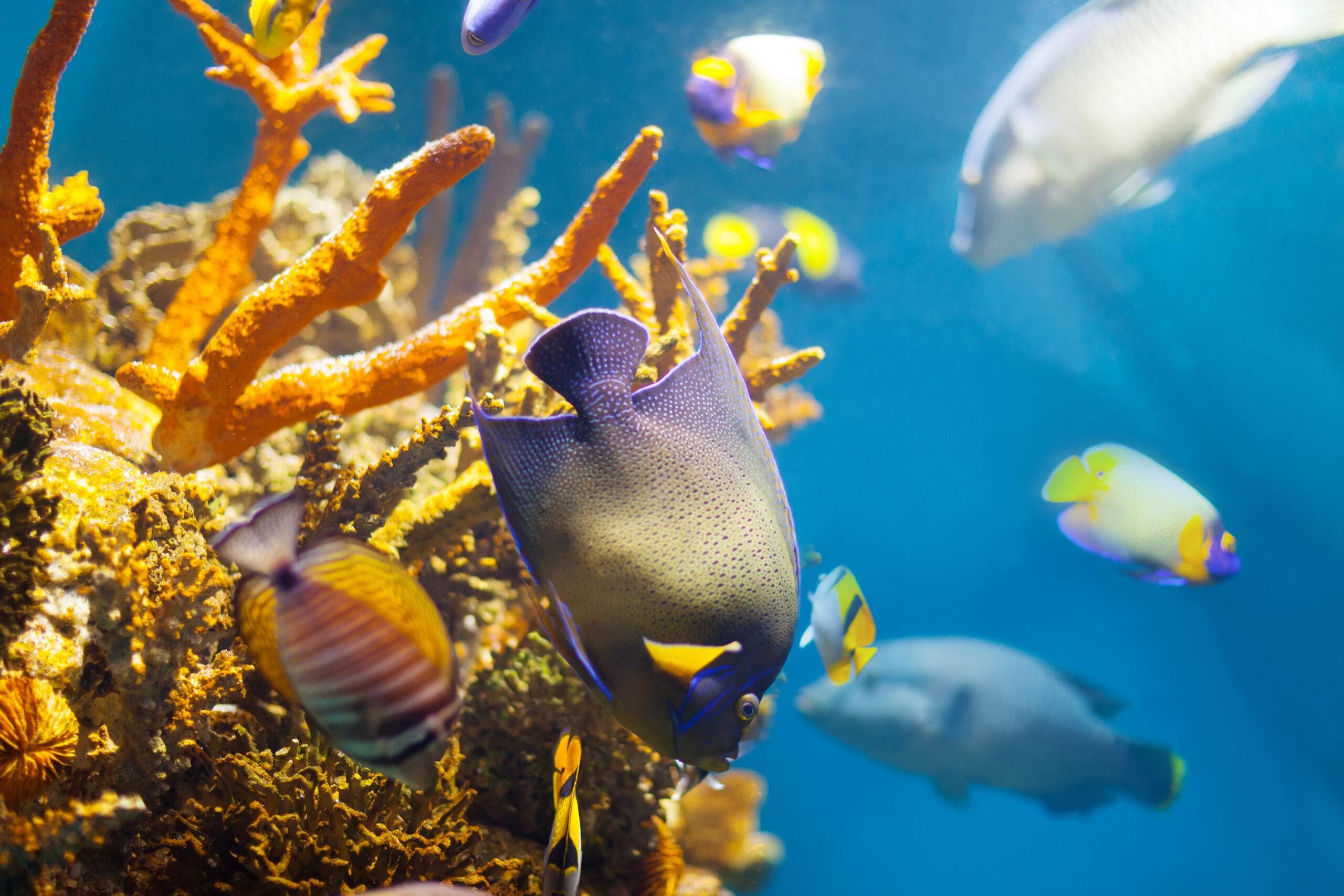
UNESCO designated the Belize Barrier Reef Reserve System a World Heritage Site in 1996, recognizing it as one of the most significant habitats for marine biodiversity on the planet. The reef spent nearly a decade, from 2009 to 2018, on UNESCO’s endangered list before conservation efforts brought it back off, including Belize becoming the first country in the world to fully ban bottom trawling, in 2010, and prohibiting offshore oil drilling within a kilometer of the reef in 2015. Scientists have documented around 70 species of hard coral, 36 species of soft coral, and 500 species of fish here, and by most estimates, only a fraction of what actually lives on the reef has been formally studied.
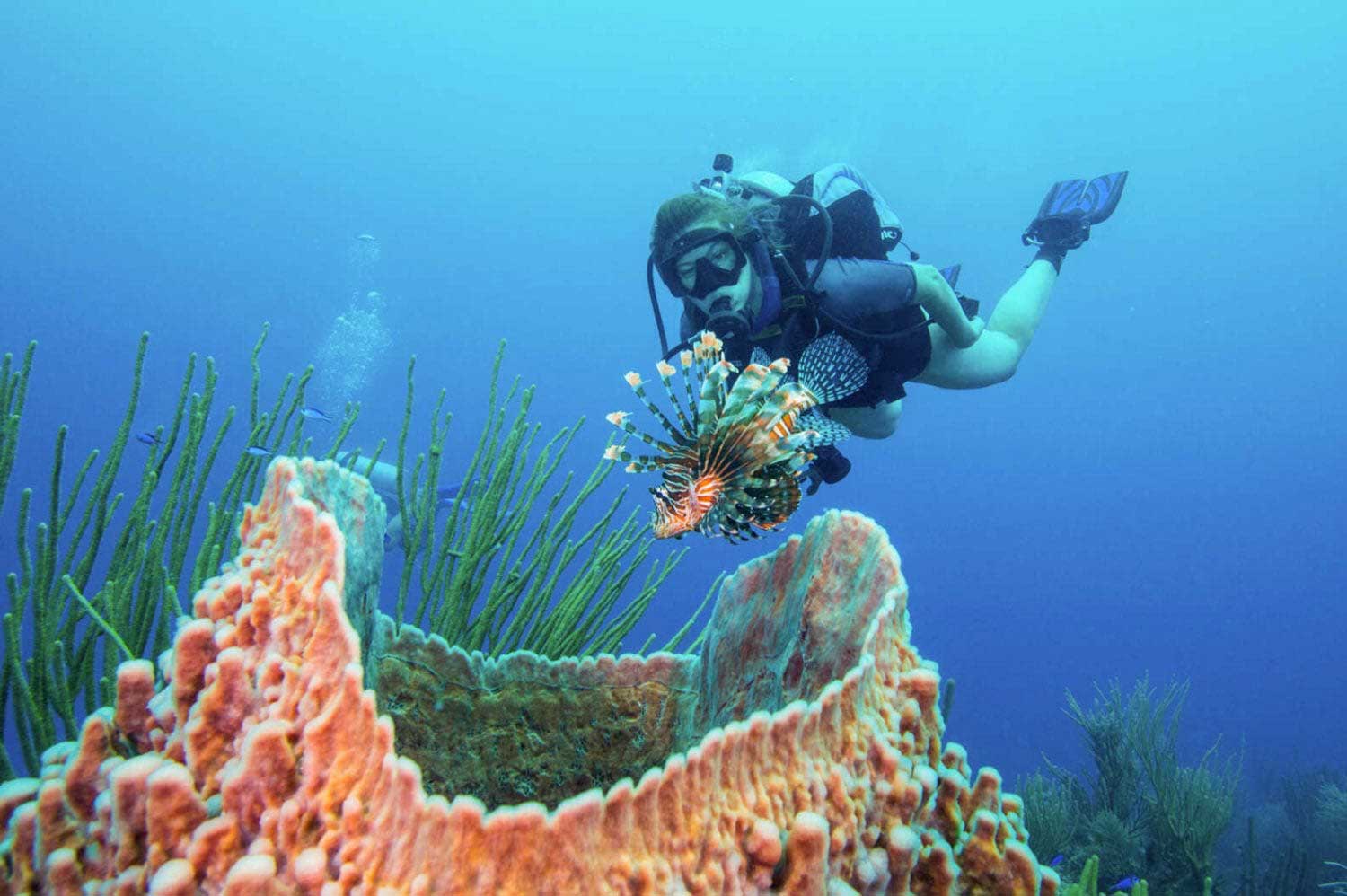
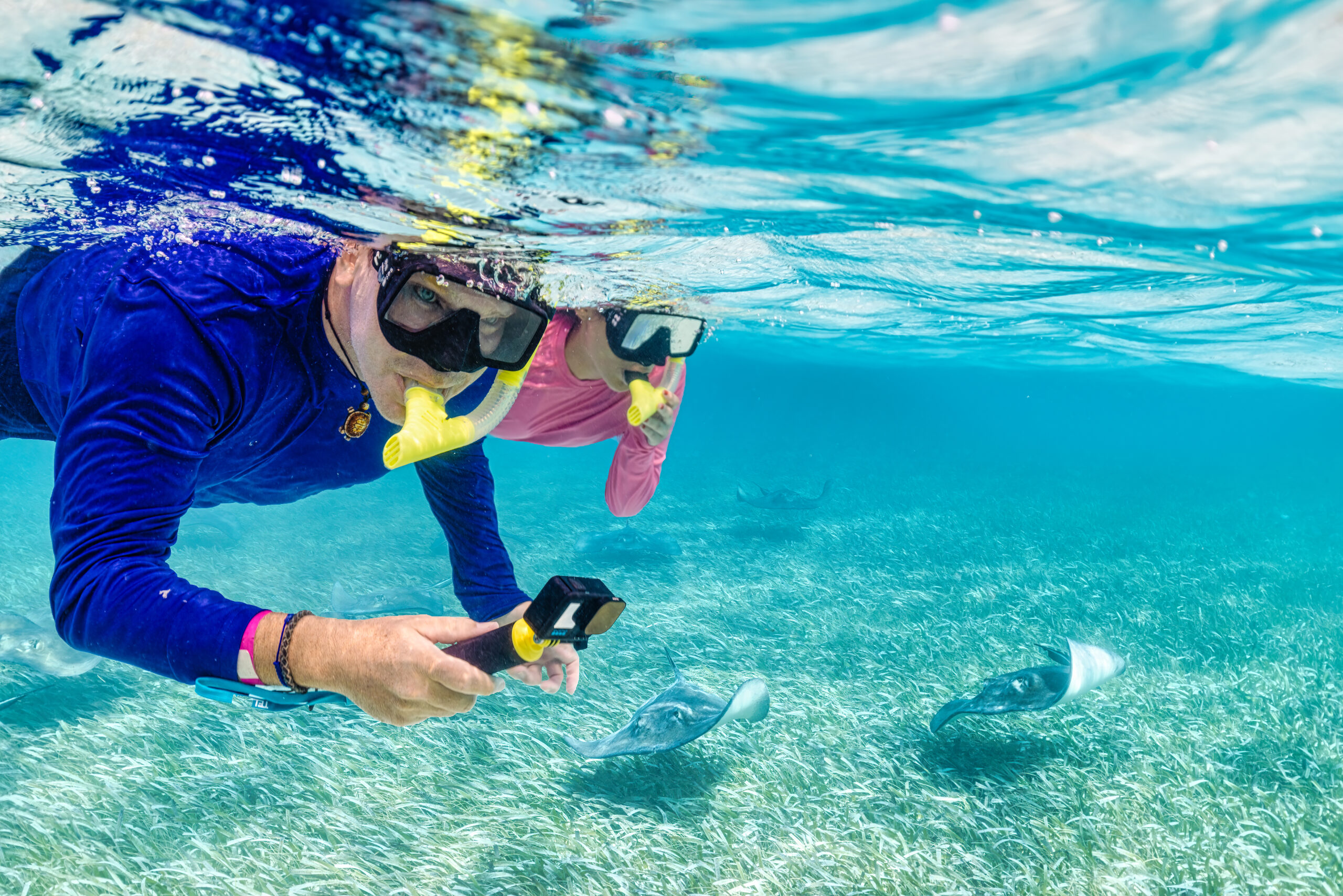
Snorkeling and Diving
The reef sits close enough to shore in most places that snorkeling and diving don’t require a long boat ride to reach genuinely spectacular sites, and the range runs from easy, current free shallows to some of the most technical dives in the Caribbean.
Hol Chan Marine Reserve, just off Ambergris Caye, is the most visited site in the country and a good starting point for any skill level, with healthy coral and a steady stream of reef fish in clear, shallow water.
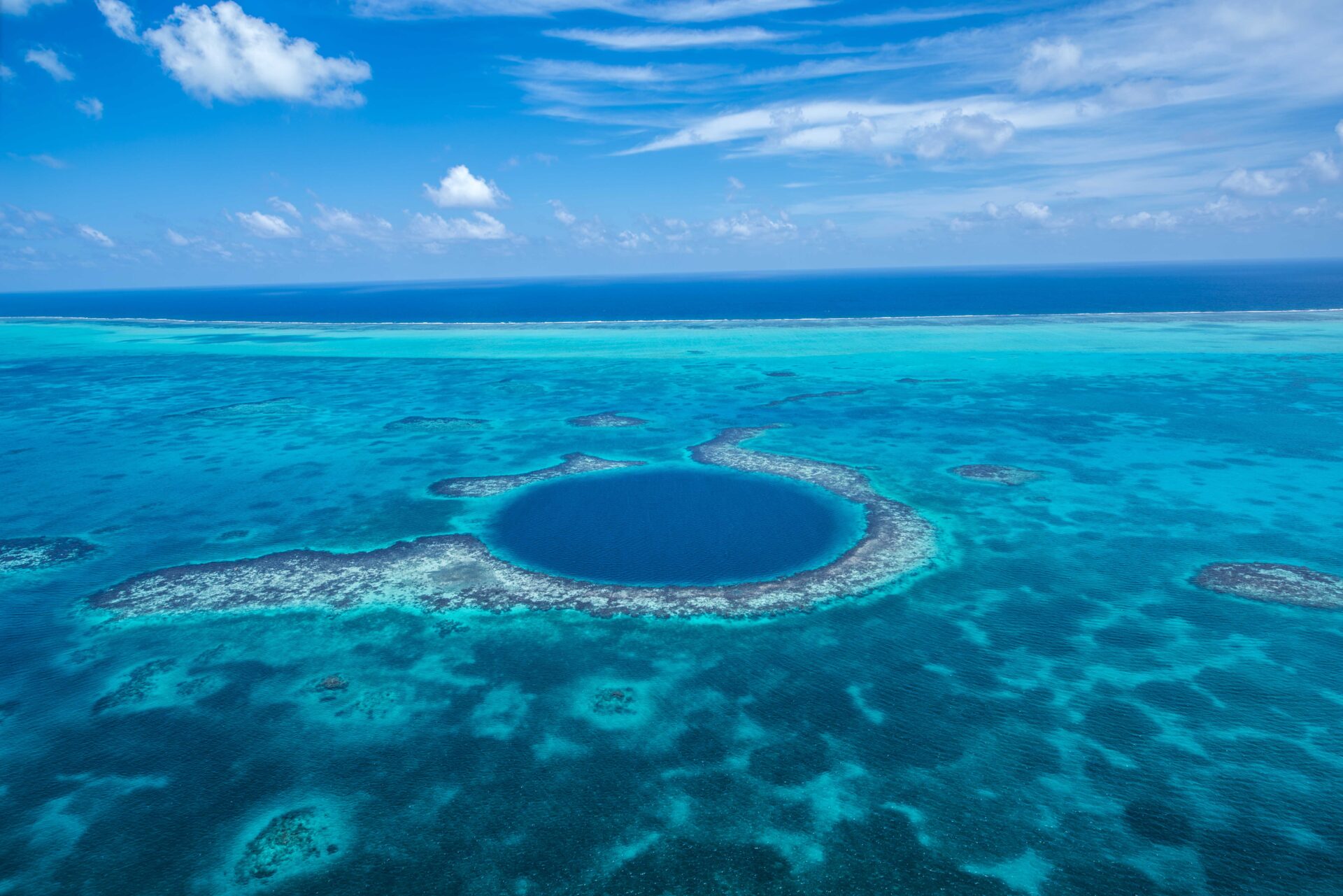
Further offshore, Turneffe Atoll offers enough variety, shallow reef flats, coral gardens, and dramatic wall dives, to fill several days without repeating a site. Lighthouse Reef, the most remote of Belize’s three atolls, is home to the Great Blue Hole, a nearly perfectly circular marine sinkhole over 400 feet deep that’s become one of the most recognizable dive sites on earth, along with Half Moon Caye Natural Monument, a protected sanctuary where red footed boobies nest in large numbers. Diving the Blue Hole itself is generally reserved for advanced divers given its depth, but scenic flights and snorkeling stops nearby make the area accessible to non-divers as well.
Swimming With Nurse Sharks and Stingrays at Shark Ray Alley
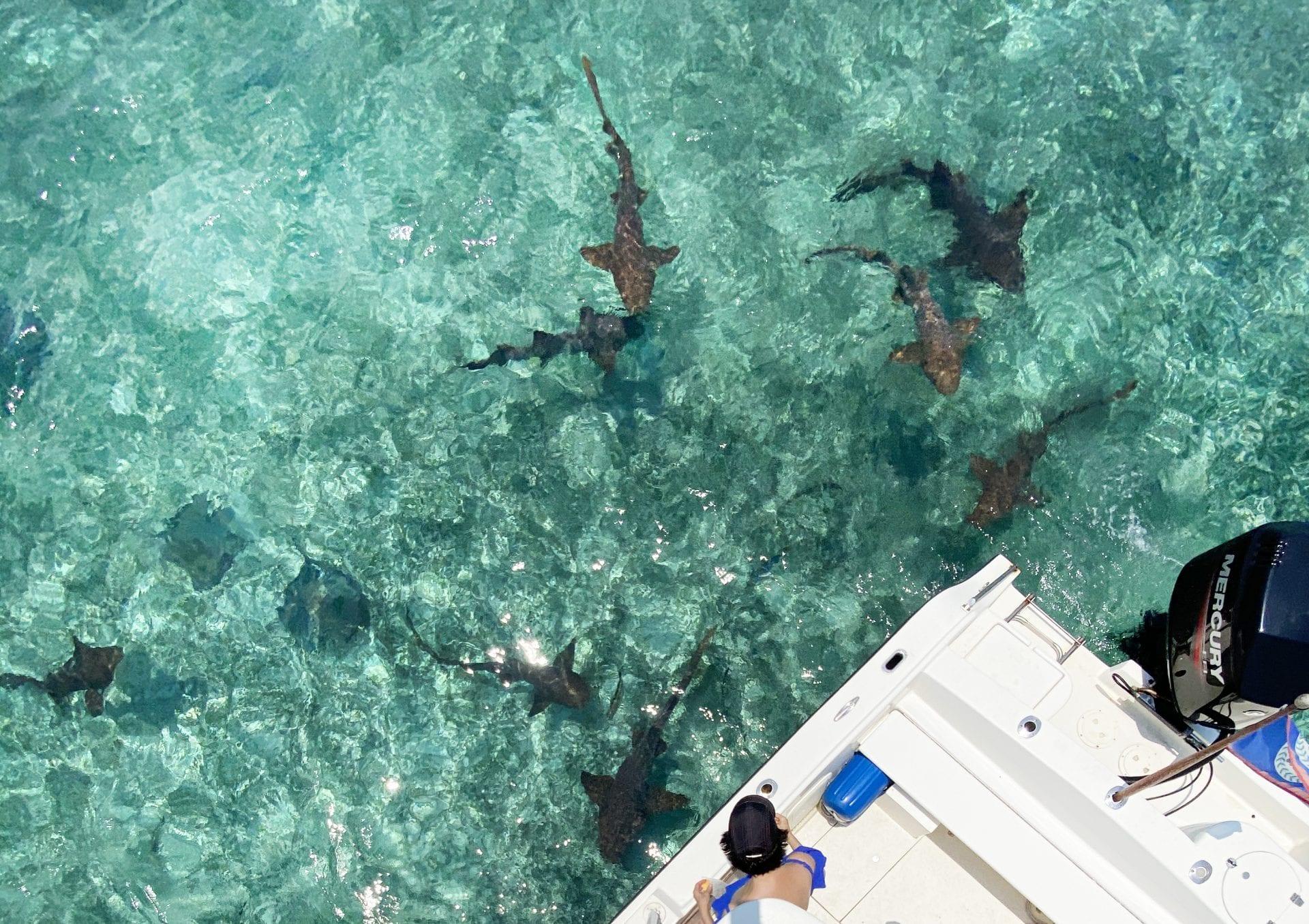
Part of Hol Chan Marine Reserve near Ambergris Caye, Shark Ray Alley is one of the most reliable wildlife encounters in the country, precisely because it doesn’t depend on timing or luck the way rarer sightings elsewhere can. Nurse sharks and southern stingrays gather here in numbers, a habit that traces back to local fishermen once cleaning their catch in the shallows nearby, and the animals have stayed accustomed to boats and swimmers ever since. Both species are naturally docile: nurse sharks feed along the bottom rather than hunting, and the stingrays here are used to close contact with guided groups. Tour boats run out to the site regularly from both San Pedro on Ambergris Caye and from Caye Caulker, making it one of the easiest marine wildlife experiences in the country to add onto almost any island itinerary, with no diving certification required.
Manatee Watching at Swallow Caye
Just off Belize City, Swallow Caye Wildlife Sanctuary protects a resident population of West Indian manatees in the shallow, seagrass rich waters around the caye. The sanctuary exists largely because of grassroots conservation work led by San Pedro native Lionel “Chocolate” Heredia, whose advocacy led to the founding of Friends of Swallow Caye in 2002 and eventual government protection for the area. Manatee watching tours run from Belize City, Caye Caulker, and Ambergris Caye, and while sightings aren’t guaranteed on any single trip, the calm, shallow water here makes it one of the more reliable places in the Caribbean to spot these animals in the wild.
Fly Fishing and Sport Fishing
Belize’s flats, shallow, sandy bottomed areas along the coast and around the atolls, are considered among the best fly fishing grounds in the world for bonefish, permit, and tarpon. Landing all three species in a single day is known among anglers as a Grand Slam, and Belize is one of the few places on earth where it’s a realistic goal rather than a rare fluke, with Turneffe Atoll in particular regarded as one of the top flats fishing destinations anywhere. Fly fishing here is a sight fishing game, light tackle, shallow water, and a guide poling the boat while you cast to fish you can actually see.
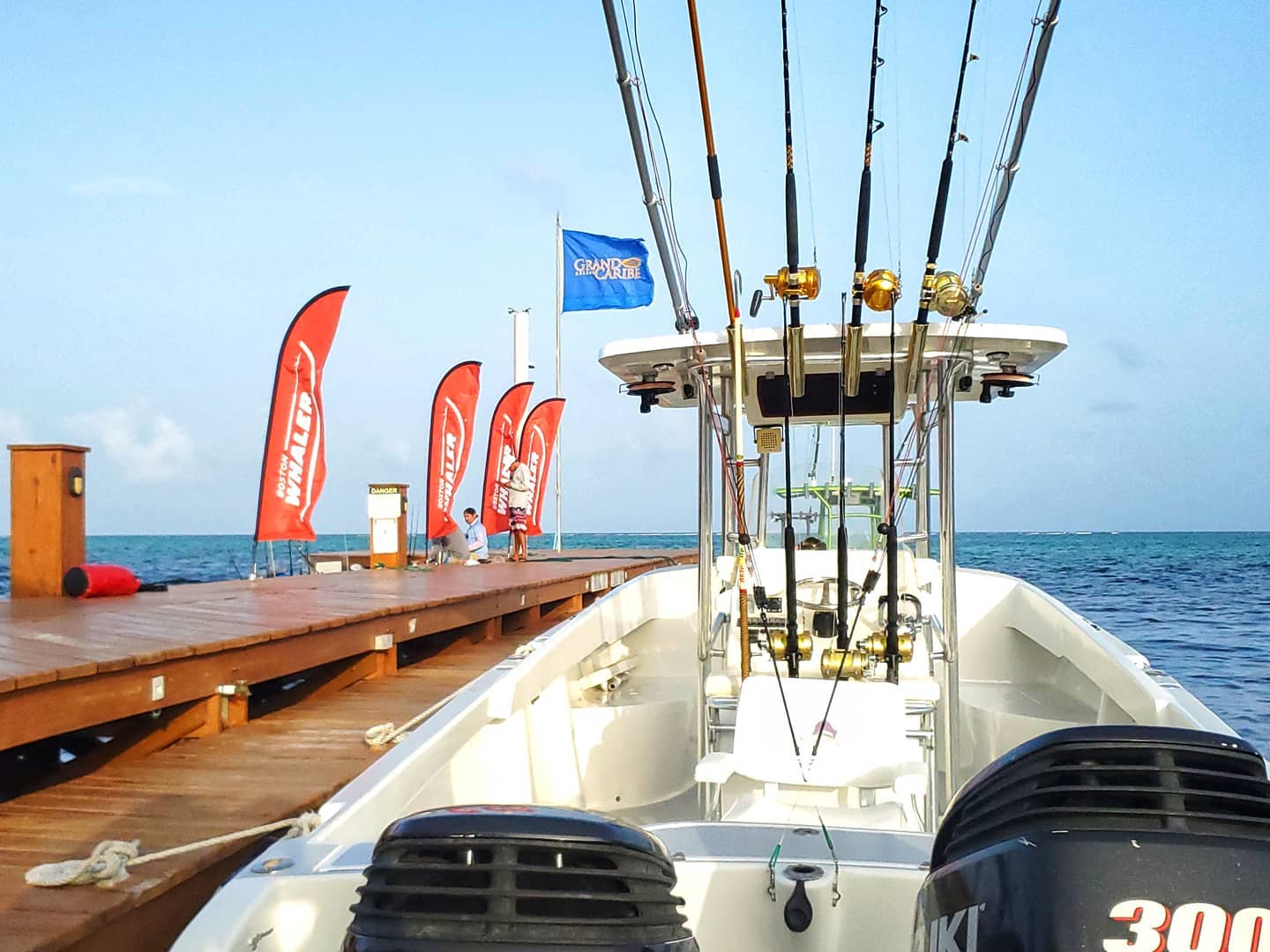
Offshore sport fishing is a different discipline entirely, trolling deeper water further from shore for marlin, sailfish, wahoo, and mahi mahi on heavier tackle. Different species peak at different times of year, so anglers with a specific target in mind should check seasonal timing before booking, and many operators in Belize offer both flats and offshore trips, so a single visit can cover both styles of fishing if you want to try each.
Sailing and Kayaking
Not every marine activity in Belize requires a mask or a fishing rod. The calm, reef protected waters between the mainland and the cayes are well suited to sailing, with half day and multi-day charters connecting islands that would otherwise require separate boat trips. Sea kayaking and paddleboarding are popular around Caye Caulker and Placencia in particular, where shallow, current free water makes for easy, low commitment time on the water for travelers who just want to be out on the reef without gear or lessons.
Planning Your Time on the Water
The dry season, roughly late November through May, generally offers the calmest seas and best underwater visibility for diving, snorkeling, and fishing alike. Most offshore activities are arranged through local dive shops, fishing guides, and tour operators based on the islands, and given how much of Belize’s tourism economy depends on the reef staying healthy, most operators are serious about basic reef etiquette: no standing on coral, no touching or feeding marine life, and reef safe sunscreen wherever possible.
For more on where to base yourself for these activities, see our guides to Ambergris Caye and Caye Caulker, Offshore and Private Islands, and Southern Belize, or head back to our full Things to Do in Belize hub for the complete picture.
Frequently Asked Questions
Do I need to be a certified diver to see the Great Blue Hole?
Diving into the Blue Hole itself is generally recommended for advanced certified divers given its depth, but many operators offer scenic flights over the site and snorkeling stops at nearby Half Moon Caye for travelers who aren’t diving.
Can I visit Shark Ray Alley from Caye Caulker, or only from Ambergris Caye?
Both. Tour operators on Caye Caulker and San Pedro (Ambergris Caye) both run regular trips out to Shark Ray Alley, so it’s an easy add-on regardless of which island you’re based on.
Is it safe to swim with the nurse sharks and stingrays at Shark Ray Alley?
Yes, for the vast majority of visitors. The nurse sharks and stingrays that gather there are accustomed to swimmers and are generally docile, and tours are guided to keep the experience safe for both people and animals.
What is a Grand Slam in Belize fishing?
Catching a bonefish, a permit, and a tarpon all in the same day, on a fly rod, out on the flats. Belize’s flats are considered one of the best places in the world to attempt it.
What's the difference between fly fishing and sport fishing in Belize?
Fly fishing happens on the shallow flats, sight casting to bonefish, permit, and tarpon with light tackle. Sport fishing refers to offshore trolling in deeper water for bigger pelagic species like marlin, sailfish, and wahoo, usually on heavier gear. Many operators offer both, so a trip doesn’t have to choose just one.
Can beginners snorkel Belize's reef?
Yes. Sites like Hol Chan Marine Reserve are shallow, calm, and close to shore, making them accessible to first time snorkelers, while more advanced sites further offshore are better suited to experienced swimmers and divers.