

Rainforest & Jungle Adventures in Belize: Wildlife, Waterfalls & Adventure
Belize’s coast gets most of the postcards, but more than half the country is still covered in rainforest, and it’s where some of the most memorable experiences here actually happen. Jaguars roam protected mountain basins, howler monkeys call from the treetops along the Belize River, and waterfalls drop into pools you can swim in without another visitor in sight. This guide covers the parks, reserves, and adventures worth building a jungle stretch of your trip around.
Cockscomb Basin Wildlife Sanctuary: The World’s First Jaguar Preserve
Tucked into the eastern slopes of the Maya Mountains in the Stann Creek District, Cockscomb Basin Wildlife Sanctuary was established in 1986 as the world’s first protected area created specifically for jaguar conservation, following research in the mid-1980s that revealed just how important this basin was for the species. The sanctuary covers over 130 square miles of tropical broadleaf forest, mahogany, and cedar, laced with rivers, waterfalls, and swimming pools. Jaguars are elusive by nature, and most visitors won’t see one, but a network of hiking trails through the two basin watersheds gives a real chance at tracks, other wildlife, and the kind of dense, quiet forest that explains why researchers call this one of the best jaguar habitats left in the world. Victoria Peak, Belize’s highest point at 3,810 feet, also sits within the sanctuary’s boundaries, though reaching its summit is a serious multi-day trek rather than a day hike.
Mountain Pine Ridge Forest Reserve
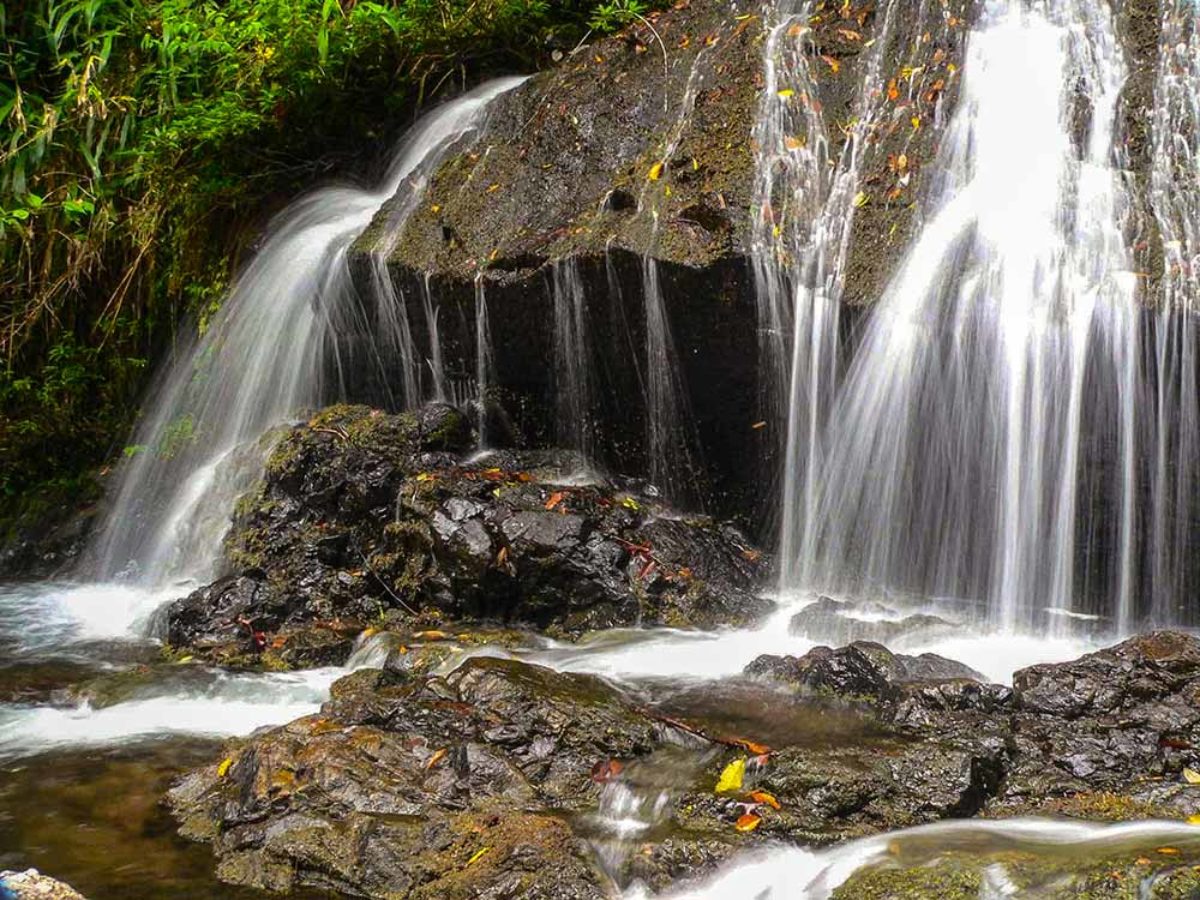
South of San Ignacio, Mountain Pine Ridge is one of the more visually surprising landscapes in Belize, a highland pine forest that looks almost nothing like the broadleaf jungle surrounding it, cut through with rivers, granite outcrops, waterfalls, and caves. Rio On Pools is the reserve’s best known swimming stop, a series of natural granite pools connected by cascading water that make for one of the most relaxed jungle swims in the country. Big Rock Falls, a taller and less crowded waterfall nearby, is a favorite for travelers who want the same swimming hole experience with fewer people around. For those chasing scale, Thousand Foot Falls, also called Hidden Valley Falls, drops roughly 1,600 feet, making it the tallest waterfall in Central America, viewed from a lookout point rather than up close. Most of the reserve’s highlights, including Rio Frio Cave, are spread out enough that a full day trip from San Ignacio is the typical way to see several at once. Stay within the Mountain Pine Ridge Forest Reserve at The Hidden Valley Wilderness Lodge
Cave Tubing and Zip Lining
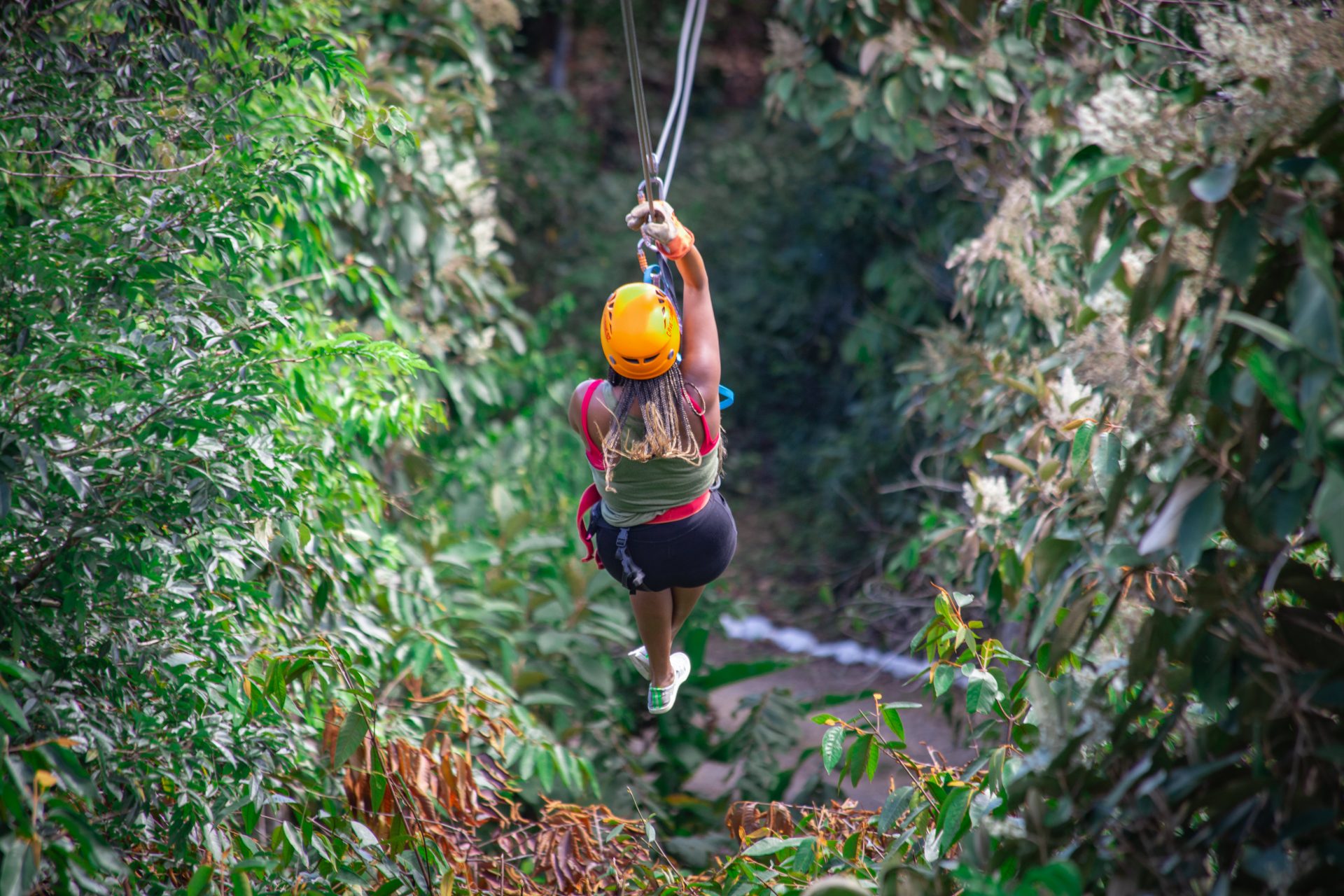
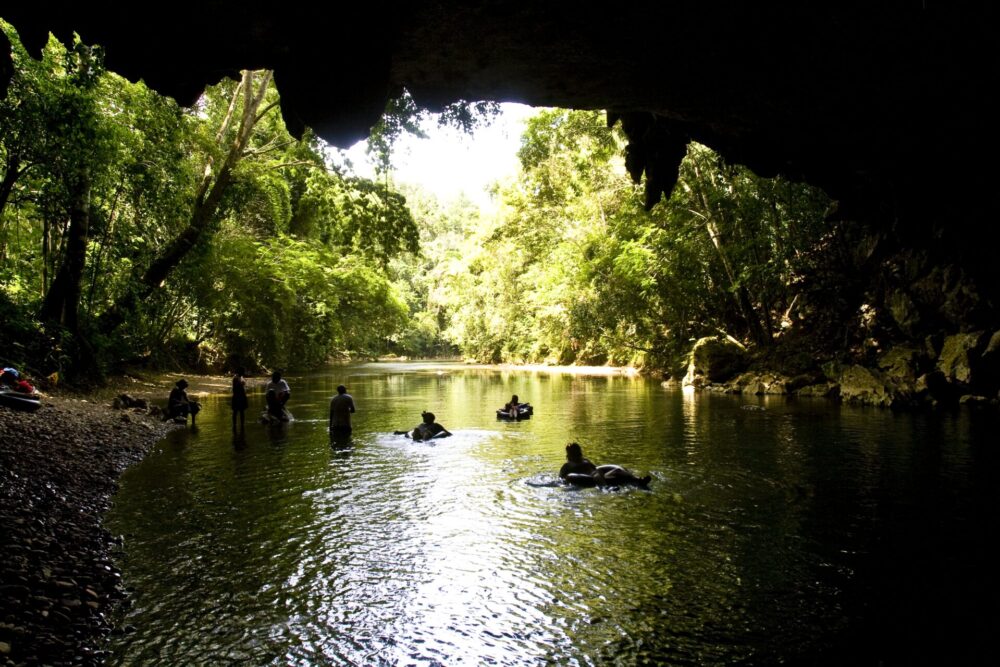
This pair is a very popular attraction in Belize because it’s something that everyone can do. The Nohoch Che’en Caves Branch Archaeological Reserve, about 40 minutes from Belize City and roughly 30 minutes from Belmopan or San Ignacio, is built around one of the most popular half day adventures in the country. Cave tubing here means floating on an inflatable tube down the Caves Branch River, drifting through a series of limestone cave systems that the ancient Maya once used and considered part of the underworld, with only headlamps and the current for company. Most operators pair the tubing with a zip line course through the surrounding jungle canopy, making it an easy combination trip and one of the most accessible rainforest adventures for travelers who want something active without technical hiking or a long drive.
Mayflower Bocawina National Park
In the Stann Creek District near Silkgrass Village, Mayflower Bocawina National Park packs waterfalls, zip lining, and its own Maya ruins into just over 7,000 acres of protected lowland and highland forest. Antelope Falls is the park’s signature hike, a steep trail ending at a swimming pool below the falls, sitting close to the park’s largest temple, Maya Center, with two smaller unexcavated temples, Maintzunun and T’au Witz, a short walk from the visitor center. None of the three have their own page here, since they’re a minor stop compared to the park’s waterfalls and trails, but they’re an easy add-on for anyone already hiking through. Three Sisters Falls and Bocawina Falls offer quieter waterfall alternatives across the park’s four hiking trails. Adrenaline focused visitors can add waterfall rappelling to a zip line run through the canopy, and because the park sees far fewer visitors than sites closer to the western highway, trails here tend to feel genuinely remote even on a day trip from Placencia or Hopkins.
Community Baboon Sanctuary: Howler Monkeys Along the Belize River
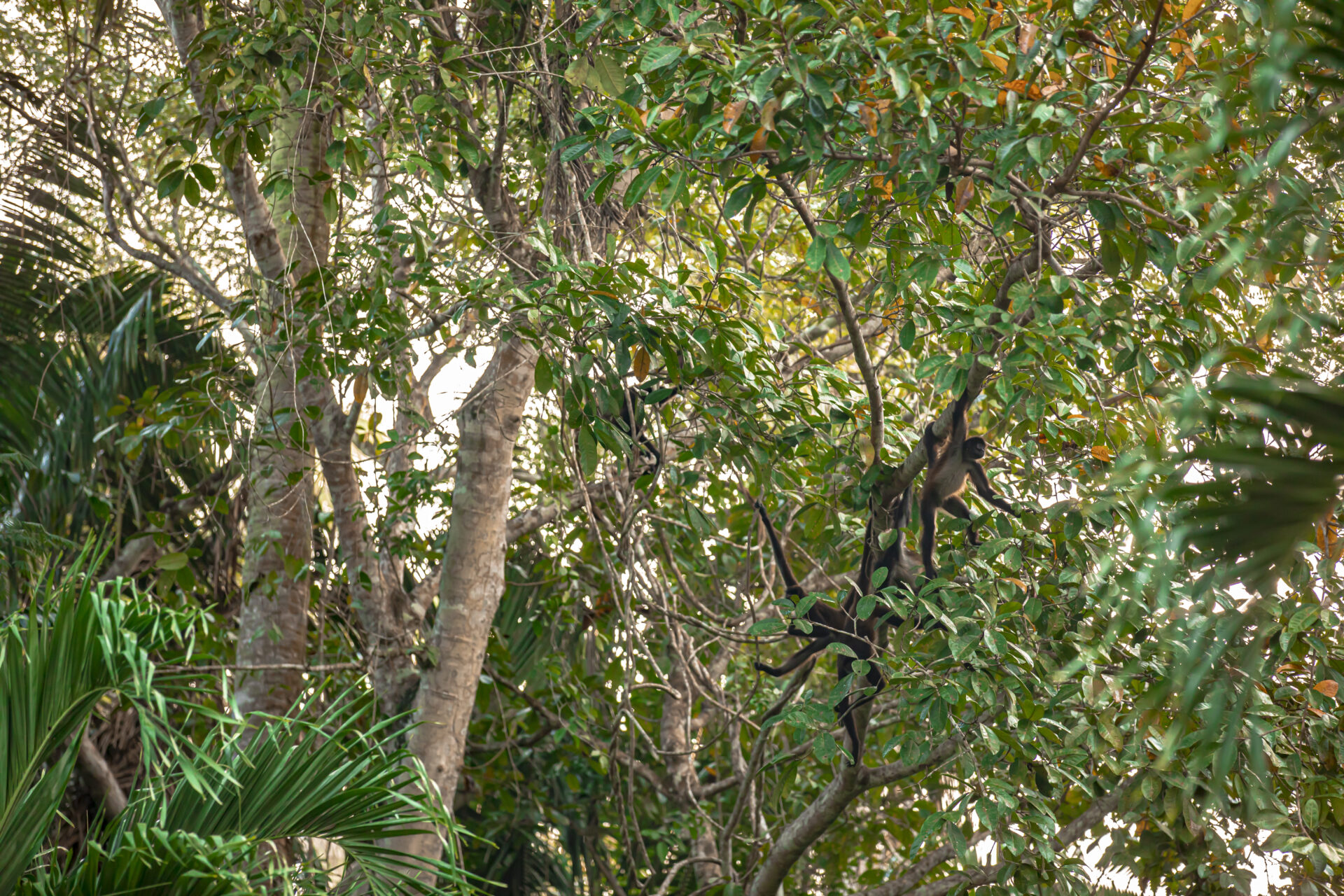
Despite the name, there are no baboons in Belize. “Baboon” is the local term for the Yucatan black howler monkey, and the Community Baboon Sanctuary, centered on the village of Bermudian Landing about 31 miles northwest of Belize City, is one of the best places in the country to see and hear them. Founded in 1985 as a partnership between a visiting primatologist and a local landowner, the sanctuary works differently than most protected areas: it’s a voluntary cooperative across seven villages along the Belize River, where private landowners agreed to preserve forest corridors on their own land rather than ceding it to a government reserve. The model has worked. The howler population here has grown from around 800 individuals in 1985 to more than 3,500 today, and a short guided walk along the river almost always turns up a troop, often before you spot them, since their calls carry for miles through the canopy.
Crooked Tree Wildlife Sanctuary
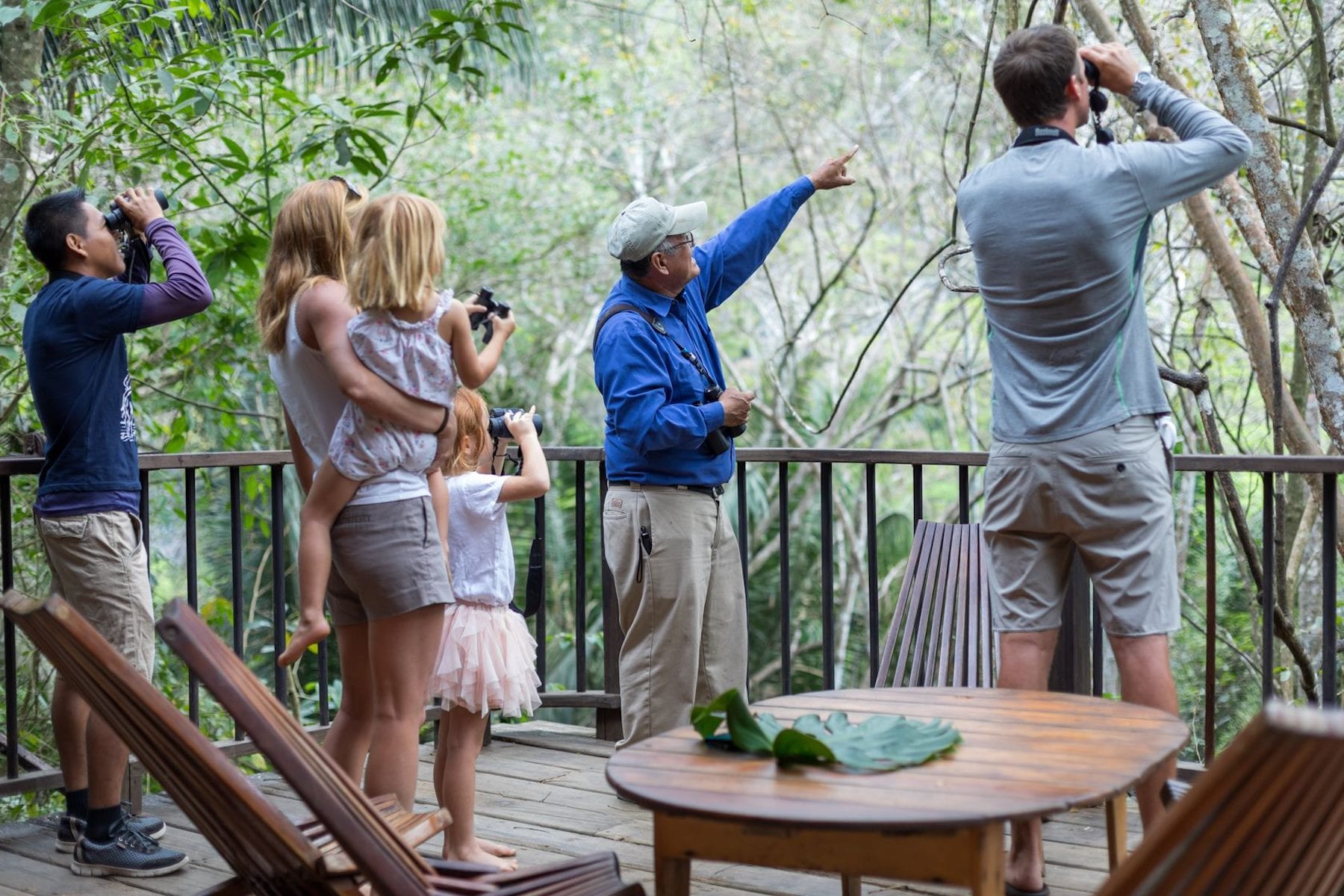
North of Belize City, Crooked Tree Wildlife Sanctuary protects over 16,000 acres of lagoon, swamp, and marsh, and it’s the top stop in the country for serious birders. The sanctuary is one of the best places in Central America to spot the jabiru stork, the largest flying bird in the Americas with a wingspan that can reach 12 feet, though sightings depend on season and some luck. Even a short one to three hour tour typically turns up 20 to 40 bird species, including snail kites, ospreys, black collared hawks, and all five of Belize’s kingfisher species, with the dry season from November through May offering the best numbers as water levels drop and birds concentrate around the remaining lagoons. Crocodiles, iguanas, and coatis round out the wildlife, and canoe tours are the classic way to see the sanctuary up close. The lagoon has its own Maya history too: Chau Hiix, a site on its western shore, was occupied for well over a thousand years and remains an active subject of archaeological research rather than a developed tourist stop, so it doesn’t get a page of its own here, but birders on a canoe tour are often paddling within sight of it without realizing it.
The Belize Maya Forest
In the far northwest corner of the country, where Belize meets both Mexico and Guatemala, the Belize Maya Forest is one of the largest remaining stretches of intact tropical forest in Central America. A 236,000 acre purchase completed in 2021 by The Nature Conservancy and its partners added directly onto the neighboring Rio Bravo Conservation and Management Area, together protecting close to a tenth of Belize’s total land area and forming an unbroken corridor for jaguars, more than 70 mammal species, and close to 400 species of birds. It’s a working conservation landscape rather than a single park with an entrance gate, and it isn’t set up for casual day trips, but it’s worth knowing the name, since it’s the forest system behind some of the country’s most important wildlife habitat.
The Gallon Jug area sits within this same forest system, and it’s where Chan Chich Lodge built its own 30,000 acre private reserve, one of the largest privately protected areas in the country. Guided night hikes, birdwatching, and a real chance at spotting wild jaguar tracks on the lodge’s own trail network make it one of the few places in Belize where this level of forest is part of the stay itself.
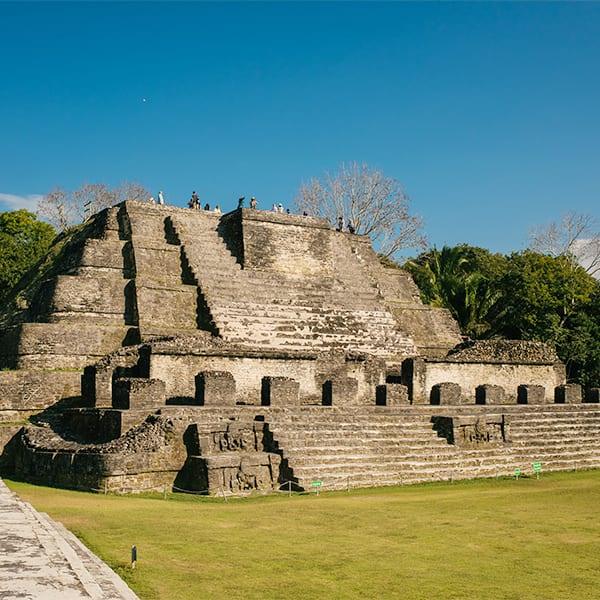
The forest also has its own Maya history. La Milpa, the third largest known Maya site in Belize after Caracol and Lamanai, sits deep inside the neighboring Rio Bravo Conservation and Management Area, with a main plaza large enough to have held an estimated 17,000 people at its peak, along with four plazas and dozens of mapped structures. La Milpa isn’t set up for casual, independent visits the way Xunantunich or Altun Ha are: access runs through Programme for Belize’s own field station, and most travelers see it as part of a guided stay in the area rather than a stand-alone day trip.
Planning a Jungle-Focused Trip
Because Belize’s rainforest highlights are spread across the Cayo, Stann Creek, and Belize districts, a multi-stop itinerary generally covers more ground than trying to base out of one town. Zant & Co. can help build a route that connects Cockscomb Basin, Mountain Pine Ridge, and the northern sanctuaries without unnecessary backtracking. The dry season, roughly late November through May, is generally the easier window for hiking trails and unpaved reserve roads, though many jungle activities, including cave tubing and waterfall swims, run comfortably year round.
Explore more of Belize’s interior in our Cayo and Western Belize guide, discover the ruins that often pair with a jungle trip in our Archaeological Sites & Experiences guide, or head back to our full Things to Do in Belize hub for the complete picture.
Frequently Asked Questions
What are my chances of actually seeing a jaguar in Cockscomb Basin or in Belize in general?
Low, and most visitors don’t. Jaguars are naturally elusive and mostly nocturnal, so a visit is better framed as a chance to experience prime jaguar habitat and possibly spot tracks or other wildlife, rather than a guaranteed sighting. Travelers do report jaguar sitings more often when staying at Chan Chich Lodge.
Is cave tubing at Nohoch Che'en safe for beginners and kids?
Yes. Cave tubing is a low effort, guided activity suited to most fitness levels and families, since you’re floating with the current rather than swimming against it. Zip line add-ons typically have a minimum age or height requirement, which varies by operator.
What is a "baboon" in Belize?
It’s the local name for the Yucatan black howler monkey, not an actual baboon. The Community Baboon Sanctuary near Bermudian Landing is the best known place to see and hear them.
When is the best time to visit Crooked Tree Wildlife Sanctuary for birding?
The dry season, from November through May, is considered peak birding season, when water levels drop and birds concentrate around the remaining lagoons, improving your odds of a jabiru stork sighting.
How tall is Thousand Foot Falls, really?
Despite the name, it’s closer to 1,600 feet, making it the tallest waterfall in Central America. It’s viewed from a lookout point in Mountain Pine Ridge rather than up close.
Can I combine rainforest activities with a beach or island stay?
Yes, easily. Most travelers pair a few nights inland, often based in Cayo or Stann Creek, with time on the coast or one of the cayes, and the country is small enough that this kind of split itinerary is one of Belize’s biggest advantages over other destinations.
What is the Belize Maya Forest?
It’s one of the largest remaining stretches of intact tropical forest in Central America, in the far northwest of the country, protected through a 236,000 acre purchase in 2021 that adjoins the neighboring Rio Bravo Conservation and Management Area. Together they protect close to a tenth of Belize’s land area and form a key corridor for jaguars and hundreds of bird species. Gallon Jug, home to Chan Chich Lodge, sits within this same forest system.