

 07 Sep 2026
For a country roughly the size of Massachusetts, Belize punches far above its weight when it comes to birds. More than 600 species have been recorded here, an outsized number driven by the country’s mix of coastline, wetland, pine forest, and dense rainforest, all packed within a few hours’ drive of each other. Add in Belize’s position on a major migratory flyway, and the same trip can turn up brilliantly colored tropical residents alongside familiar warblers and shorebirds passing through for the winter. This guide covers the birds and places worth knowing before you go.
The Keel-Billed Toucan: Belize’s National Bird
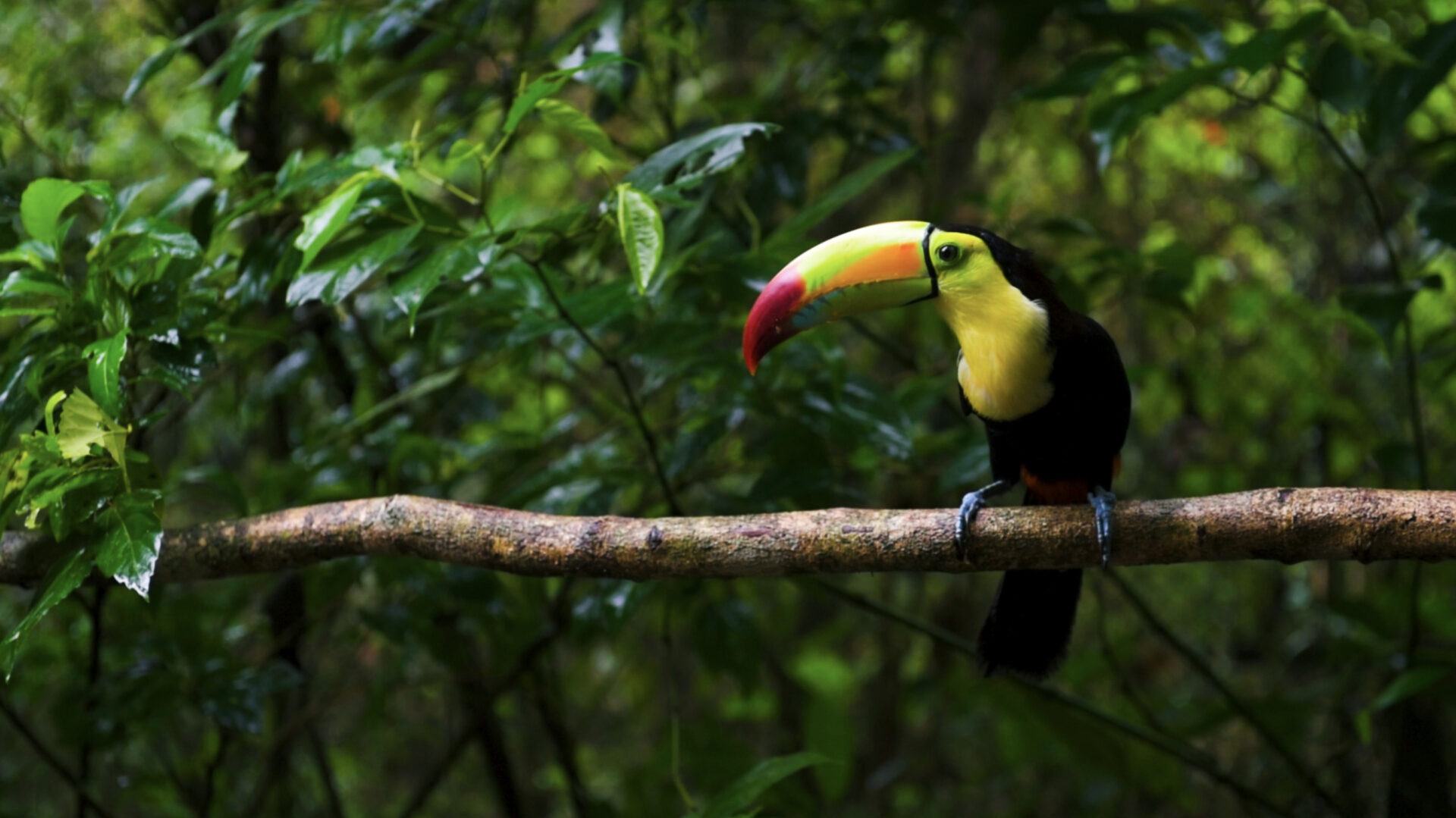
No bird is more closely associated with Belize than the keel-billed toucan, instantly recognizable by its oversized, rainbow colored bill and known locally as the “bill bird.” They travel in small, noisy groups through the forest canopy, and while their bill looks heavy, it’s actually made of lightweight, spongy keratin. They’re year round residents rather than a seasonal sighting, which makes them one of the more reliable birds for first time visitors to check off, whether at a jungle lodge, a wildlife sanctuary, or the Belize Zoo. For a closer look at the bird itself, see our full profile on the Keel-Billed Toucan.
Crooked Tree Wildlife Sanctuary and the Jabiru Stork
North of Belize City, Crooked Tree Wildlife Sanctuary is the country’s best known birding destination, a network of lagoons, swamp, and marsh that concentrates an extraordinary number of birds into a relatively small area, especially as water levels drop through the dry season. It’s one of the best places anywhere to spot the jabiru stork, the largest flying bird in the Americas, with a wingspan that can reach 12 feet, alongside snail kites, ospreys, black collared hawks, and all five of Belize’s kingfisher species. Even a short guided tour by canoe typically turns up dozens of species in a few hours, which is part of why it’s usually the first stop recommended to any serious birder visiting the country.
Scarlet Macaws at Red Bank Village
In the foothills of the Maya Mountains in the Stann Creek District, the small village of Red Bank hosts one of the more specific and predictable wildlife spectacles in Belize. From December through March, scarlet macaws gather here in numbers to feed on the fruit of annatto and pole wood trees, drawn down from higher elevations during their non-breeding season. Guided walks through the village let visitors watch pairs and small groups of macaws moving through the canopy at close range, a striking contrast to how rare and skittish this species can be elsewhere in its range. Because the timing is seasonal and tied directly to fruiting trees, this is one of the few birding experiences in Belize worth actually planning a trip date around.
Chan Chich Lodge and the Birds of the Belize Maya Forest
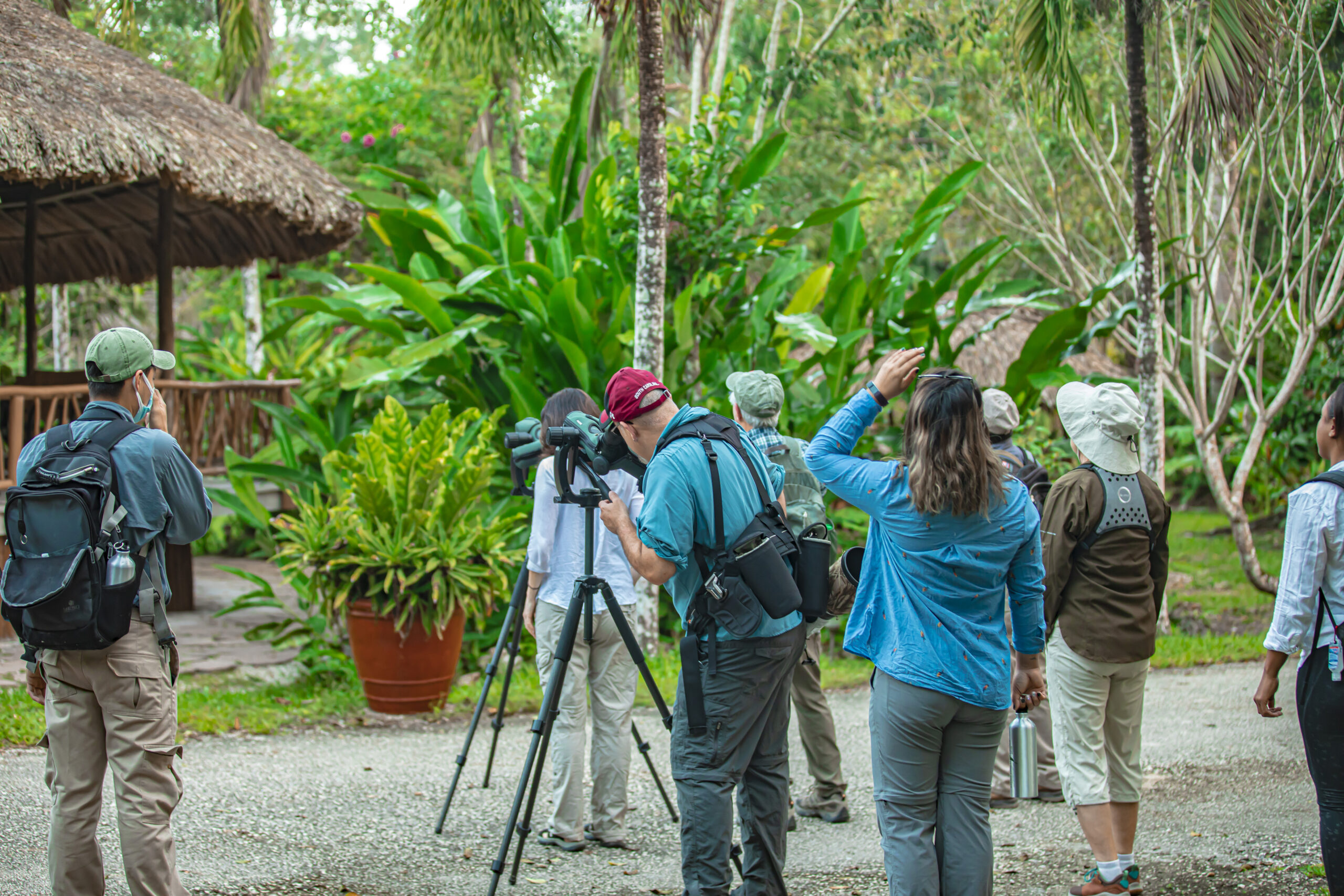
Some of the richest birding in the country happens around Gallon Jug, in the far northwest, where Chan Chich Lodge sits inside its own 130,000 acre private reserve within the larger Belize Maya Forest, one of the largest contiguous blocks of rainforest left in Central America. The lodge maintains its own detailed bird checklist built up over decades, and resident naturalist guides run daily birding walks through forest that hasn’t been logged or developed, turning up everything from toucans and trogons to a genuine chance at some of the country’s more elusive forest species. It’s a fitting base for travelers who want birding built into every day of a stay rather than a single guided excursion.
The Orange-Breasted Falcon of Mountain Pine Ridge
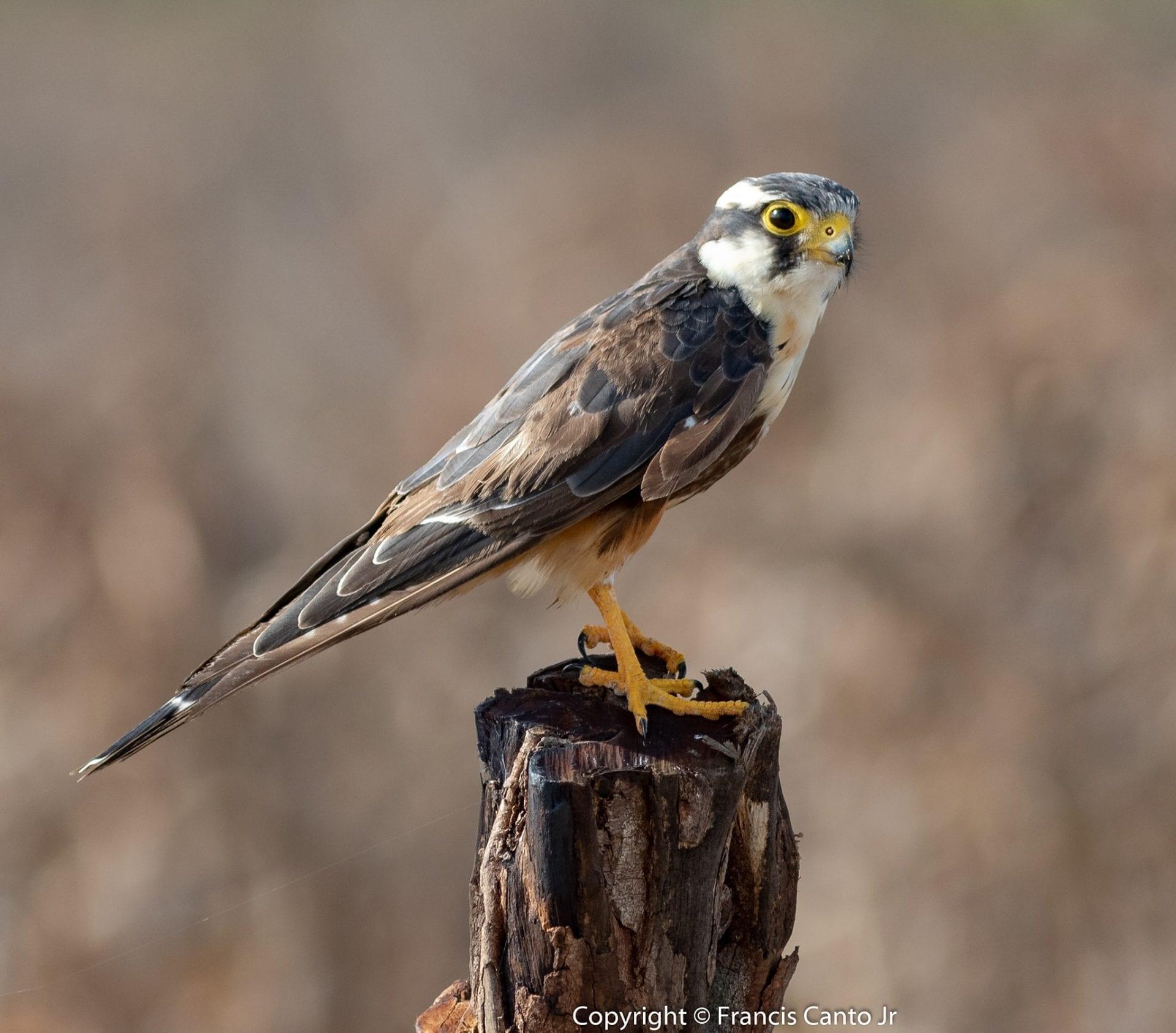
Not every bird on this list is easy to see, and the orange-breasted falcon is the best example. One of the rarest raptors in the Americas, its northern population has dwindled to a small number of known territories shared between Belize and Guatemala, nesting on tall limestone cliffs within Mountain Pine Ridge Forest Reserve. The Peregrine Fund has run a captive breeding and release program here for years, hacking young falcons at a release site in the reserve each June in an effort to rebuild the wild population, with early success pairing captive bred birds with wild mates. Sightings are far from guaranteed, but Mountain Pine Ridge remains the best place in the world to try, and simply knowing the story adds weight to a trip through the reserve even without a confirmed sighting.
When to Go: Season and the Belize Birding Festival
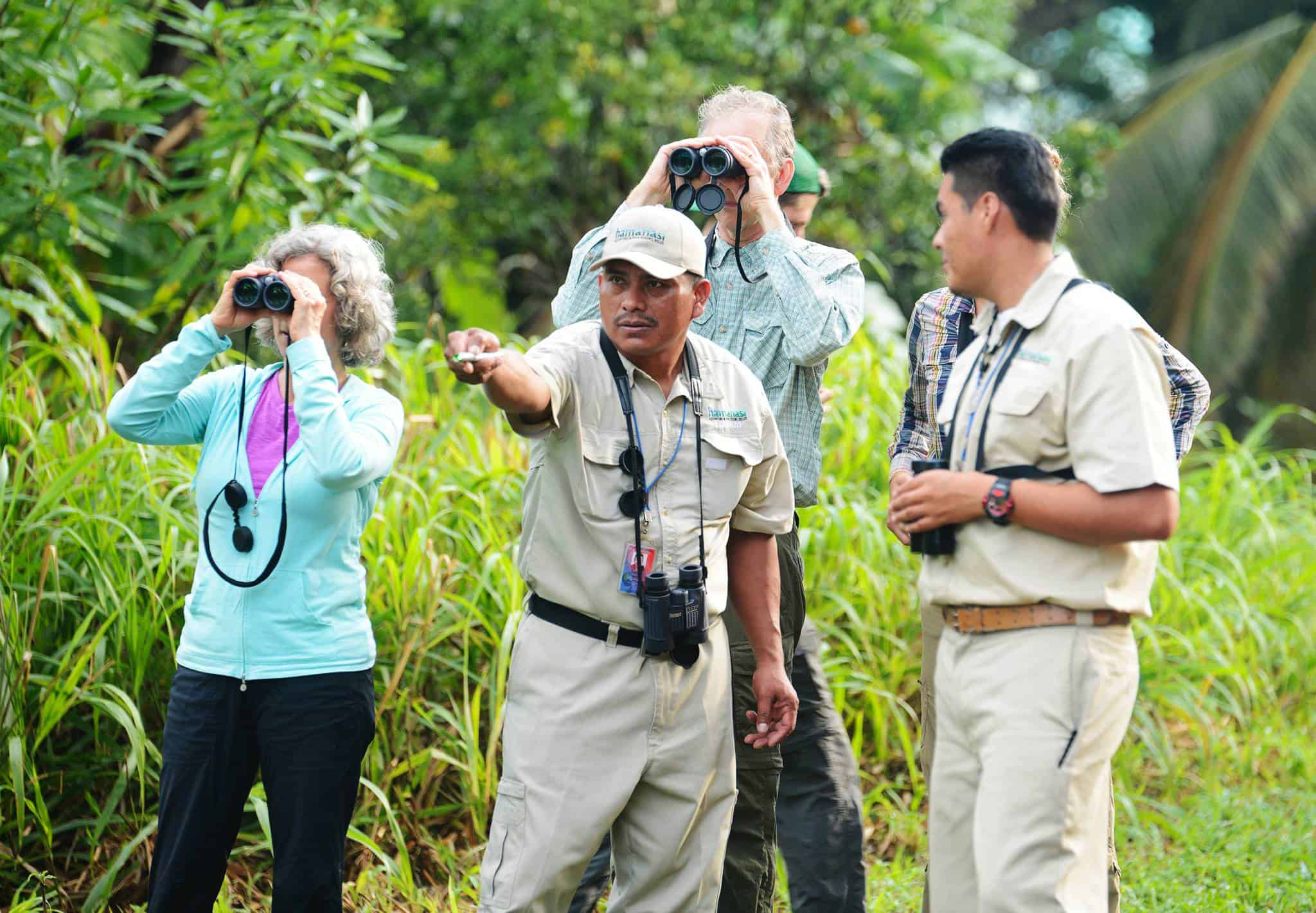
The dry season, roughly late November through May, is generally the best window for birding in Belize, as water levels drop at sanctuaries like Crooked Tree and birds concentrate around the remaining wetlands, and clearer trails make forest birding easier as well. Wintering migratory species are also present through this window, adding to the variety on top of the country’s year round residents. Each year, the Belize Birding Festival, organized by the Belize Audubon Society alongside local tourism groups, brings birders, guides, and tour operators together for a day of bird walks, workshops, and talks, typically held in October at a different town each year. It’s a good way to connect with the local birding community if your trip timing allows for it, even outside the peak dry season window.
Planning a Birding Trip to Belize
Because Belize’s best birding sites are spread across several distinct ecosystems, coastal wetlands in the north, pine forest in the west, and rainforest along the Guatemalan border, a multi-stop itinerary generally covers far more species than staying in one place. Zant & Co. can help build a route that connects Crooked Tree, Mountain Pine Ridge, and a jungle lodge stay without wasted travel time between sites, and can coordinate with local birding guides where a specific target species is the goal.
Frequently Asked Questions
How many bird species can you see in Belize?
More than 600 species have been recorded in the country, an unusually high number for its size, thanks to a mix of coastal, wetland, pine forest, and rainforest habitats along with its position on a major migratory route.
When is the best time of year for birding in Belize?
The dry season, from roughly late November through May, is generally considered the best window, when wetland birds concentrate around shrinking water sources and wintering migratory species are also present. Scarlet macaws at Red Bank are the exception, best seen from December through March specifically.
What is Belize’s national bird?
The keel-billed toucan, known locally as the “bill bird” for its large, brightly colored bill. It’s a year round resident, not a seasonal sighting.
Is the orange-breasted falcon easy to see in Belize?
No. It’s one of the rarest raptors in the Americas, with a small, closely monitored population nesting on cliffs in Mountain Pine Ridge Forest Reserve. Sightings are possible but far from guaranteed, even for visitors specifically looking for it.
Do I need a guide to go birding in Belize?
Not always, but it helps considerably. Sites like Crooked Tree and Red Bank Village are set up for guided tours that know current bird activity, and lodges like Chan Chich have their own resident naturalist guides, which typically turns up far more species than exploring independently.
Explore more of Belize’s wildlife and wild spaces in our Rainforest & Jungle Adventures guide, discover the region’s history in our Archaeological Sites & Experiences guide, or head back to our full Things to Do in Belize hub for the complete picture.